Animals depend on us for protection, care, and compassion. When that trust is violated through abuse or neglect, our laws must respond with appropriate consequences and prevention measures. That's why I've championed some of Westchester County's strongest animal welfare legislation, including the Dog Anti-Tethering Law and efforts to strengthen the Animal Abuse Registry.
A Personal Commitment to Animal Welfare
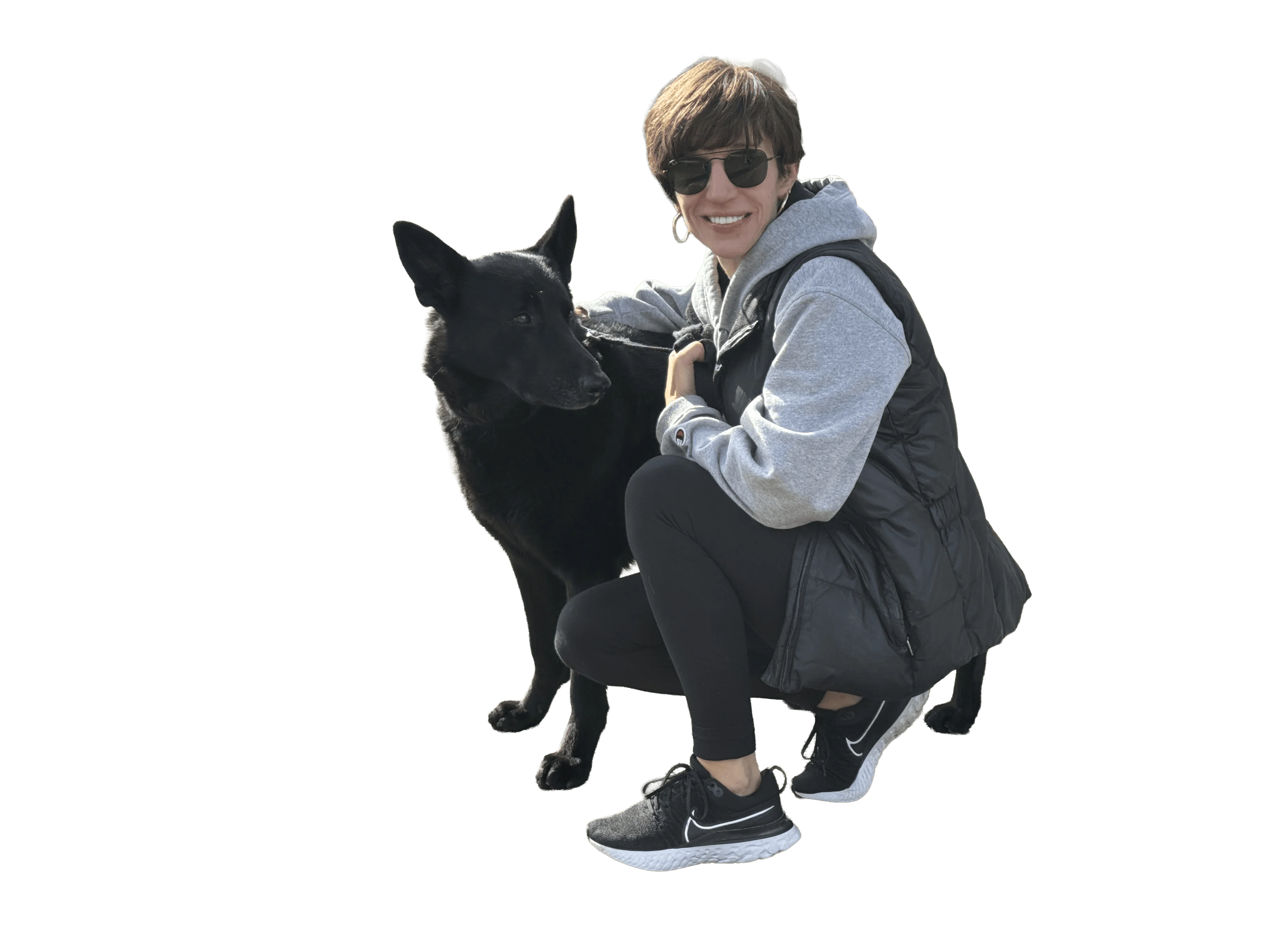
My commitment to animal welfare isn't just political—it's personal. Over the years, I've transported more than 270 animals from North Carolina to New York and helped find them loving homes. Each of those animals had a story, and too many had experienced neglect or abandonment. I have fostered hundreds of cats & dogs.
This hands-on experience rescuing and rehoming animals gave me a ground-level understanding of the challenges facing animal welfare in our community. It also reinforced my belief that our laws must protect animals from cruelty while giving law enforcement the tools they need to hold abusers accountable.
The Dog Anti-Tethering Law: Ending Inhumane Restraint
One of the most significant pieces of legislation that I sponsored was Westchester County's Dog Anti-Tethering Law. This law addresses a form of animal neglect that, while sometimes overlooked, causes substantial suffering: the prolonged tethering of dogs outdoors.
Why Tethering Harms Dogs:- Extended restraint causes physical injuries from collar pressure and restricted movement
- Tethered dogs face exposure to extreme weather without ability to seek shelter
- Constant confinement leads to psychological distress and behavioral problems
- Tethered dogs are vulnerable to attacks from other animals
- Long-term tethering can result in aggression and fear-based behaviors
The law recognizes that while temporary, supervised tethering may be appropriate in some circumstances, leaving a dog continuously restrained outdoors is neither humane nor acceptable.
Key Provisions:- Prohibits extended tethering of dogs as a primary means of confinement
- Sets standards for restraint length, collar type, and duration
- Protects dogs from weather extremes while tethered
- Provides enforcement authority to animal control officers
This legislation sends a clear message: in Westchester County, we expect responsible pet ownership, and prolonged tethering doesn't meet that standard.
Strengthening the Animal Abuse Registry
While the Dog Anti-Tethering Law prevents one form of neglect, the Animal Abuse Registry addresses a broader challenge: tracking and preventing repeat offenses by convicted animal abusers.
The Problem We Identified:Working alongside former Legislator Virginia Perez, I discovered a troubling gap in enforcement. Despite the Animal Abuse Registry existing for six years, only two names were listed—far fewer than the actual number of adjudicated animal abuse cases in Westchester County.
This discrepancy meant the registry wasn't fulfilling its intended purpose: preventing convicted animal abusers from acquiring new animals and alerting shelters and rescues to individuals with abuse histories.
Our Legislative Response:I teamed with the Westchester District Attorney's office to strengthen the Animal Abuse Registry and expand investigative powers for animal control officers. The case of "Pebbles," an abused pit bull puppy, exemplified why these changes were necessary.
Enhanced Enforcement Measures:- Improved reporting requirements for adjudicated animal abuse cases
- Greater investigative powers for animal control officers
- Better coordination between courts, law enforcement, and the registry
- Enhanced ability to track and prevent repeat offenses
- Clearer consequences for violations
We questioned Captain Mark Busche from the Westchester County Department of Public Safety about the enforcement gap, demanding accountability and improvements in how the registry functions. The goal wasn't bureaucracy—it was ensuring that animals are protected from known abusers.
Why These Laws Matter
Animal welfare legislation serves multiple important purposes:
Protecting Vulnerable Animals:Animals cannot speak for themselves or escape abusive situations. Our laws must provide that protection and give authorities the power to intervene.
Public Safety Connection:Research consistently shows links between animal cruelty and violence toward humans. By addressing animal abuse seriously, we're also investing in community safety.
Preventing Repeat Offenses:The Animal Abuse Registry helps prevent convicted abusers from acquiring new victims. This is similar to other registries that protect vulnerable populations.
Supporting Responsible Pet Ownership:Clear laws about acceptable treatment establish community standards and educate the public about proper animal care.
Empowering Law Enforcement:Animal control officers need both legal authority and investigative tools to effectively protect animals and prosecute abusers.
The Challenges We Face
Animal welfare enforcement faces several ongoing challenges:
Resource Constraints:Animal control departments often operate with limited staff and budgets, making comprehensive enforcement difficult.
Proof Requirements:Animal abuse cases require documentation, veterinary evidence, and witness testimony—all of which take time to gather.
Education Gaps:Some animal neglect stems from ignorance rather than malice, requiring education alongside enforcement.
Cross-Jurisdictional Issues:Animals and their owners move between municipalities, requiring coordination across jurisdictions.
Registry Compliance:Ensuring convicted abusers are properly added to the registry and that shelters/rescues check it requires ongoing vigilance.
A Comprehensive Approach
Effective animal welfare requires multiple strategies:
Strong Legislation:Laws like the Dog Anti-Tethering Law and enhanced Animal Abuse Registry provide the legal framework for protection.
Adequate Resources:Animal control needs sufficient funding, staff, and training to enforce laws effectively.
Community Partnerships:Shelters, rescues, veterinarians, and concerned citizens all play roles in identifying and reporting abuse.
Public Education:Many people don't realize that certain practices harm animals. Education prevents unintentional neglect.
Accountability:When abuse occurs, consequences must be meaningful and consistently applied.
The Rewards of Rescue
My personal experience rescuing and rehoming 270+ animals taught me something important: most people want to do right by animals. They adopt pets to give them better lives, they support shelters and rescues, and they report suspected abuse when they see it.
The small percentage who abuse or neglect animals must face consequences, but the larger community of animal lovers deserves laws that reflect their values and empower them to protect vulnerable animals.
Every animal I transported found a loving home. Every one of those adoptions represented someone choosing compassion. Our laws should make that choice easier while making abuse harder.
Looking Forward
Animal welfare legislation is never truly finished. As we learn more about animal behavior, welfare, and effective enforcement, our laws must evolve.
I remain committed to:
- Monitoring the effectiveness of the Animal Abuse Registry
- Ensuring animal control officers have the resources and authority they need
- Supporting shelters and rescues that do the frontline work of protecting animals
- Advocating for enhanced penalties for egregious abuse cases
- Educating the public about responsible pet ownership
How You Can Help
Animal welfare is a community effort. Here's how Westchester residents can contribute:
Report Suspected Abuse:If you witness animal neglect or abuse, contact your local police or animal control or the Westchester County SPCA. Your call could save an animal's life.
Support Local Shelters and Rescues:These organizations need volunteers, donations, and foster families. Consider how you can help.
Adopt, Don't Shop:Thousands of animals in shelters need homes. Adoption saves lives and supports responsible animal welfare.
Be a Responsible Pet Owner:Proper veterinary care, appropriate housing, adequate food and water, and humane treatment should be non-negotiable.
Advocate for Strong Laws:Contact your elected officials to support animal welfare legislation and funding for enforcement.
A Moral Obligation
As a legislator, I take seriously the responsibility to protect those who cannot protect themselves. Animals depend entirely on humans for their welfare—we owe them laws that reflect that moral obligation.
The Dog Anti-Tethering Law and strengthened Animal Abuse Registry represent Westchester County's commitment to treating animals with the dignity and compassion they deserve. But laws are only as effective as their enforcement and our community's commitment to upholding them.
Every animal deserves safety, care, and humane treatment. In Westchester County, we're working every day to make that standard a reality.