When volunteer firefighters and EMTs run toward danger while others run away, they're not doing it for recognition or compensation. They serve because their communities need them. But that doesn't mean we shouldn't recognize their sacrifice—and make it easier for people to serve. That's why I championed legislation to expand property tax exemptions for volunteer emergency services personnel in Westchester County.
Understanding the Volunteer Crisis
Across America, volunteer fire departments and EMS agencies face a critical shortage. The number of volunteers has declined dramatically over the past three decades, even as call volumes have increased. Westchester County isn't immune to this crisis.
The Numbers Tell a Troubling Story:- Volunteer firefighter numbers have dropped 11% nationally since the 1980s
- Many volunteer departments struggle to maintain minimum staffing
- Daytime coverage is particularly challenging as more volunteers work outside their communities
- Training requirements have increased significantly, demanding more time commitment
- Younger generations face obstacles to volunteering: long commutes, student debt, work demands
The consequences of inadequate volunteer coverage are severe:
- Longer response times to emergencies
- Increased reliance on mutual aid from neighboring departments
- Higher costs if municipalities must hire paid staff
- Reduced capacity for specialized services like hazmat response
- Community safety compromised
We need to remove barriers to volunteer service and provide meaningful recognition for those who serve. Property tax exemptions represent one important tool.
The Legislative History
Original Program:Westchester County established a property tax exemption for volunteer firefighters and ambulance service members years ago. To qualify, volunteers needed:
- Five years of active service
- Residence in the municipality where they volunteered
- Continued active participation
Eligible volunteers received a 10% reduction on county property taxes—meaningful savings in a county with some of the nation's highest property taxes.
The Problem:The five-year service requirement, while seemingly reasonable, created barriers:
- New volunteers waited years before receiving any tax benefit
- Young people, especially, struggled with high costs while building toward eligibility
- Geographic restrictions prevented volunteers who served in one municipality but lived in another from qualifying
- The lengthy wait discouraged potential volunteers facing economic pressures
In 2024, I supported legislation that made two critical changes:
1. Reduced Service Requirement: Lowered eligibility from five years to two years
2. Eliminated Geographic Restrictions: Allowed volunteers to qualify regardless of whether they serve in their municipality of residence
These changes, which I advocated for as a volunteer firefighter myself, recognize that even two years of volunteer service represents significant commitment and should be rewarded.
Why Two Years Matters
Some might ask: why not make the exemption immediate, or keep it at five years? Two years represents the right balance:
Demonstrates Commitment:Two years of active service shows genuine dedication rather than temporary interest. Volunteers must maintain active status, attend trainings, and respond to calls.
Encourages Retention:Receiving the tax benefit after two years provides an incentive to continue serving, helping departments retain trained volunteers.
Rewards Meaningful Service:By two years, volunteers have completed extensive training, gained real experience, and contributed substantially to their departments.
Remains Fiscally Responsible:The requirement ensures that tax exemptions go to committed volunteers rather than anyone who signs up briefly.
Recognizes Training Investment:Modern firefighter training requires hundreds of hours. Two years reflects the time needed to become fully qualified.
The Geographic Barrier
The original requirement that volunteers serve in their municipality of residence created absurd situations:
Example Scenarios:- A Mount Pleasant resident who volunteers with the Valhalla Fire Department (but lived within another fire district) couldn't qualify
- Someone living just over a municipal boundary but serving the closest fire department didn't qualify
- Residents who work in one municipality and volunteer there during the day didn't qualify
- Volunteers who move between Westchester municipalities lost their exemption
These restrictions made no sense. Fire and medical emergencies don't respect municipal boundaries. Volunteers who respond to calls serve the entire county, regardless of where they live.
The 2024 Solution:County Executive Ken Jenkins signed legislation eliminating the geographic restriction. Now, any Westchester County resident who volunteers for any Westchester volunteer fire department or ambulance corps qualifies, regardless of location.
This change:
- Dramatically expands eligibility
- Removes an arbitrary barrier to service
- Recognizes that all volunteer service benefits Westchester County
- Allows volunteers to serve where they're needed most
- Accommodates modern work and housing patterns
The Impact: Real People, Real Difference
Let me share why this matters personally:
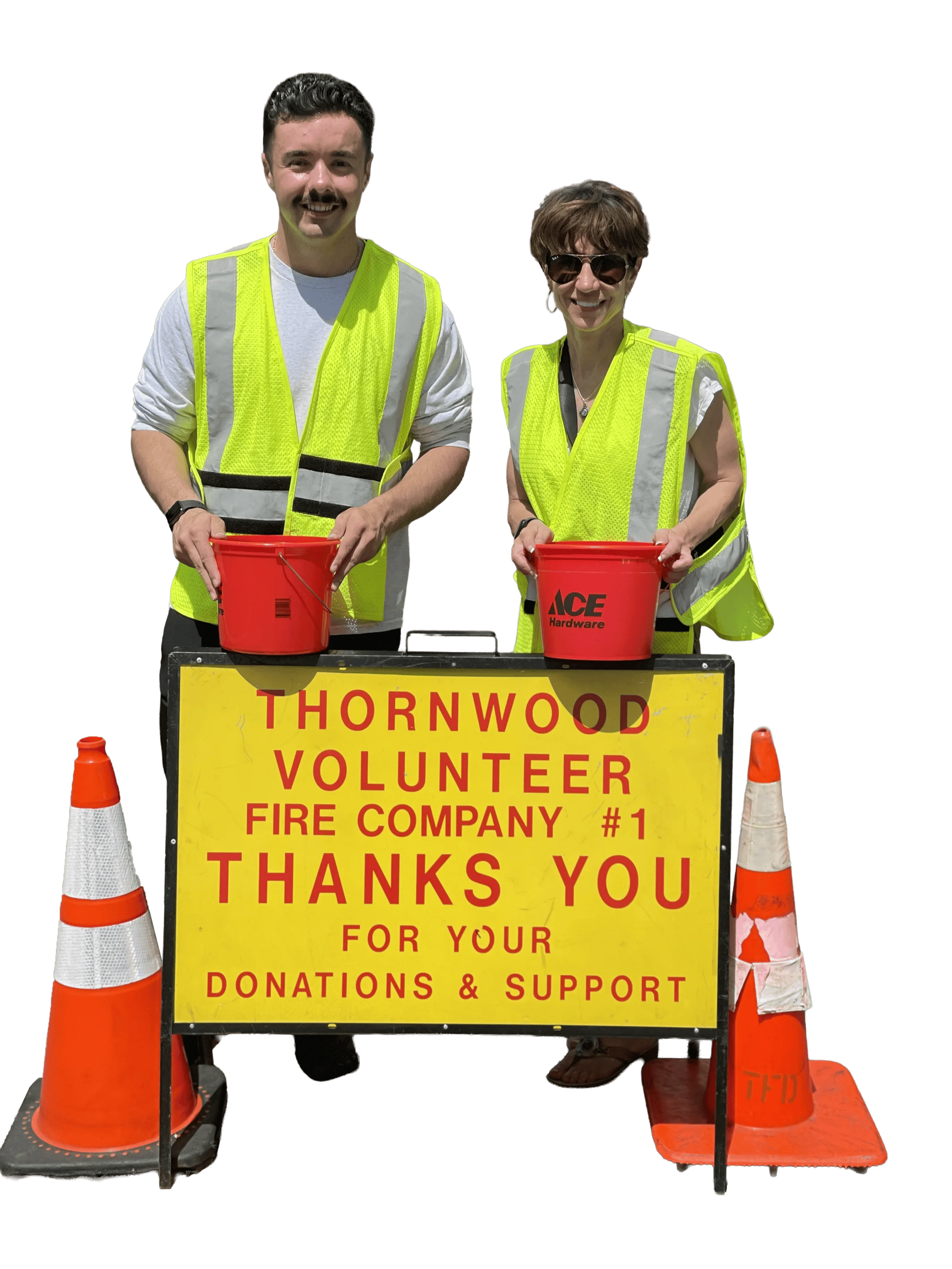
As a volunteer interior firefighter with the Thornwood Fire Department, I understand the time commitment involved. Between training, drills, meetings, and emergency calls, volunteer firefighters dedicate hundreds of hours annually to serving their communities.
Many volunteers face significant personal costs:
- Time away from family and jobs
- Wear and tear on personal vehicles responding to calls
- Risk of injury or worse
- Stress from witnessing traumatic scenes
- Equipment purchases beyond what departments provide
A 10% property tax exemption doesn't come close to compensating for these sacrifices. But it provides meaningful recognition and modest financial relief that can make the difference between someone able to volunteer or not.
For Young Volunteers:Reducing the eligibility requirement from five to two years particularly helps younger volunteers—the very people we need to recruit. A 25-year-old homeowner burdened by mortgage, student loans, and starting-career expenses can see meaningful relief sooner.
For Career Changers:People who become volunteers later in life now reach eligibility before they age out of active service.
For Multi-Jurisdiction Volunteers:Eliminating geographic restrictions allows people to volunteer where their expertise is most needed or where they spend their workdays.
Broader Support for Volunteer First Responders
The property tax exemption represents one component of Westchester County's comprehensive support for volunteer emergency services:
HERRO Program:The Higher Education Recruitment and Retention Opportunity (HERRO) program provides tuition reimbursement and student loan repayment assistance to active volunteer emergency services personnel. The 2024 budget increased HERRO funding from $500,000 to $600,000.
Training Support:The County's Department of Emergency Services provides:
- Free training facilities and instructors
- Standardized certification programs
- Ongoing continuing education
- Specialized training for technical rescue, hazmat, etc.
- Grant programs help departments purchase equipment
- Bulk purchasing reduces costs for protective gear
- Regional equipment sharing agreements
- Cancer screening programs
- Mental health support resources
- Gear decontamination equipment
- Injury prevention training
- Annual awards ceremonies
- Public acknowledgment of service milestones
- Memorial services for fallen volunteers
- Provides retirement benefits for volunteers
- Rewards decades of service
- Helps with volunteer retention
The Fiscal Reality
Some might question the cost of expanding property tax exemptions. The reality is that volunteer first responders save Westchester County enormous amounts:
Cost Comparison:- Paid firefighter: $60,000-$100,000+ annually in salary and benefits
- Volunteer firefighter tax exemption: Several hundred dollars annually
For the cost of one paid firefighter, the county could provide tax exemptions to dozens of volunteers. And volunteers provide coverage 24/7/365, not just scheduled shifts.
Mutual Aid Value:When departments respond to mutual aid calls in other municipalities, they provide free assistance worth thousands of dollars per call.
Specialized Services:Volunteer departments often provide technical rescue, hazmat response, and other specialized services that would cost municipalities substantially to provide through paid staff.
Economic Multiplier:Volunteers live, work, and spend in their communities, generating economic activity that far exceeds their tax exemption.
The property tax exemption isn't a cost—it's an investment with returns far exceeding the expense.
Recruitment and Retention
Expanding the tax exemption serves strategic goals beyond recognizing current volunteers:
Recruitment Tool:Fire departments can promote the tax benefit when recruiting, making volunteering more attractive to potential members.
Retention Incentive:The benefit encourages volunteers to maintain active status for at least two years, and many continue far longer once established.
Spousal Support:When a volunteer's household budget benefits from the exemption, spouses may be more supportive of the time commitment required.
Community Investment:Tax exemptions signal that the community values volunteer service, creating cultural support for volunteering.
Equity Improvement:Expanding eligibility removes barriers that disproportionately affected younger volunteers and those who serve outside their municipality.
Legislative Implementation
Passing the legislation required careful coordination:
State Authority:New York State had to grant Westchester County the authority to reduce the service requirement and eliminate geographic restrictions. State legislators supported these changes.
County Adoption:The Westchester County Board of Legislators passed the implementing legislation with my strong support.
County Executive Approval:County Executive Ken Jenkins signed the legislation, making it effective.
Municipal Cooperation:While the exemption affects county property taxes, municipalities needed to be informed about eligibility changes.
Assessment Office Coordination:The County Assessment Office updated forms and processes to reflect new eligibility criteria.
Department of Emergency Services:DES maintains records of active volunteers and verifies eligibility for the exemption.
This multi-level coordination demonstrates government working effectively to support an important public policy goal.
How to Qualify
The process for claiming the exemption is straightforward:
Eligibility Requirements:- At least two years of active service as a volunteer firefighter or ambulance/EMS personnel
- Service with a Westchester County volunteer fire department or ambulance corps
- Residence in Westchester County (anywhere in the county)
- Continued active status maintained
1. Obtain verification of active service from your department
2. Complete the appropriate form (RP-466-a for volunteers)
3. Submit to your municipality's Assessment Office
4. Provide annual verification of continued active service
5. Receive 10% reduction on county property taxes
20-Year Service Benefit:Volunteers who serve 20+ years can continue receiving the exemption for life, even after retirement from active service, as long as they remain Westchester County residents.
A Personal Commitment
When I completed my Firefighter 1 certification and joined the Thornwood Fire Department, I did it because I wanted to serve my community and understand firsthand the challenges facing our volunteer first responders.
But this tax exemption helps. It's not about the money—it's about the recognition. It's the county saying: "We see your service. We value it. We want to make it a little easier for you to continue."
That recognition matters. When you're responding to your fourth call of the day, missing your child's soccer game, or dealing with the trauma of a difficult rescue, knowing that your community values your service helps sustain you.
As a legislator and a volunteer firefighter, I'm uniquely positioned to understand both the policy and personal dimensions of supporting volunteers. I'll continue advocating for measures that make it easier to volunteer and that recognize the extraordinary commitment of those who serve.
Looking Forward
The expanded property tax exemption is progress, but there's more to do:
Continued HERRO Funding:As educational costs rise, we need to ensure HERRO funding keeps pace to remain effective.
Workplace Protections:Encouraging employers to provide paid leave for volunteer emergency calls would reduce conflicts between work and service.
Enhanced Benefits:Exploring additional benefits—insurance coverage, equipment stipends, etc.—to support volunteers.
Youth Programs:Supporting junior firefighter and explorer programs creates the next generation of volunteers.
Public Awareness:Educating residents about the volunteer crisis and encouraging them to consider serving.
Regional Coordination:Working with neighboring counties to ensure consistent support for volunteers across jurisdictions.
Call to Action
If You're Interested in Volunteering:Contact your local volunteer fire department or ambulance corps. They need you, and serving your community is among the most meaningful things you can do.
If You're a Current Volunteer:Ensure you're receiving all benefits you've earned. Check eligibility for the property tax exemption, HERRO funding, and other programs.
If You're a Community Member:Thank volunteer first responders when you see them. Attend department events. Support fundraisers. Vote for measures that fund emergency services.
If You're an Employer:Consider policies that support volunteer employees: flexible scheduling, paid leave for calls, time off for training.
If You're an Elected Official:Champion policies that support volunteer first responders. The return on investment is extraordinary.
The Bottom Line
Volunteer firefighters and EMS personnel are community heroes who serve without expectation of compensation. The least we can do is remove barriers to their service and provide meaningful recognition of their sacrifice.
Expanding the property tax exemption—reducing the eligibility requirement from five years to two and eliminating geographic restrictions—makes it easier for people to volunteer and demonstrates that Westchester County values their service.
As both a volunteer firefighter and a county legislator, I'm proud to have supported this legislation. And I'm committed to continuing to advocate for policies that honor and support those who answer the call to serve.
When the alarm sounds and volunteers drop everything to respond, they're not thinking about tax exemptions or recognition. They're thinking about the people who need help. But when they return home, exhausted and possibly traumatized, they deserve to know their community appreciates their sacrifice.
The expanded property tax exemption says: We do.
Sources
- Westchester County Executive George Latimer Signs Legislation Providing Tax Exemption for Volunteer Firefighters
- County Executive Ken Jenkins Signs New Law Expanding Tax Exemption for Volunteer EMS Personnel
- County Board Passes Property Tax Credit for Volunteer Emergency First Responders | Westchester Legislators
- New Law Expands Property Tax Credits for Volunteer Firefighters and EMS Personnel | NY State Senate